How Local Music Scenes Foster Community Engagement
Local music scenes play a vital role in enhancing community engagement, creating spaces where individuals can connect, learn, and grow together. This article explores how these vibrant hubs foster interaction and contribute to a sense of belonging, particularly in the United States.
Understanding the Basics
According to research from the National Endowment for the Arts, local music scenes often provide opportunities for community members to come together, share experiences, and express themselves creatively. Many experts recommend that engaging with local music can significantly enhance mental well-being, offering a channel for emotional release and social interaction.
"Participating in local music events has been shown to strengthen community ties and promote cultural understanding." - Community Engagement Specialist
The Importance of Local Music Scenes
Local music scenes typically involve a series of venues, bands, and events that reflect the unique cultural identities of communities. This is significant because:
- Creating Spaces for Interaction: Music venues serve as gathering places where people can enjoy performances and socialize, fostering connections among diverse groups.
- Encouraging Participation: Many communities host open mic nights and jam sessions, inviting local talent to share their skills. This inclusion often leads to increased participation in community activities, promoting a sense of ownership and pride.
- Supporting Local Economies: Local music scenes can boost local economies. According to studies, hosting music events can attract tourists, generate revenue for local businesses, and create job opportunities.
Building Community Through Workshops and Tours
Many local music hubs offer workshops and tours that engage community members. These activities typically involve:
- Music Workshops: Educational programs that teach various skills, such as songwriting, instrument playing, and music production. These workshops often require dedication and practice but provide a valuable learning experience.
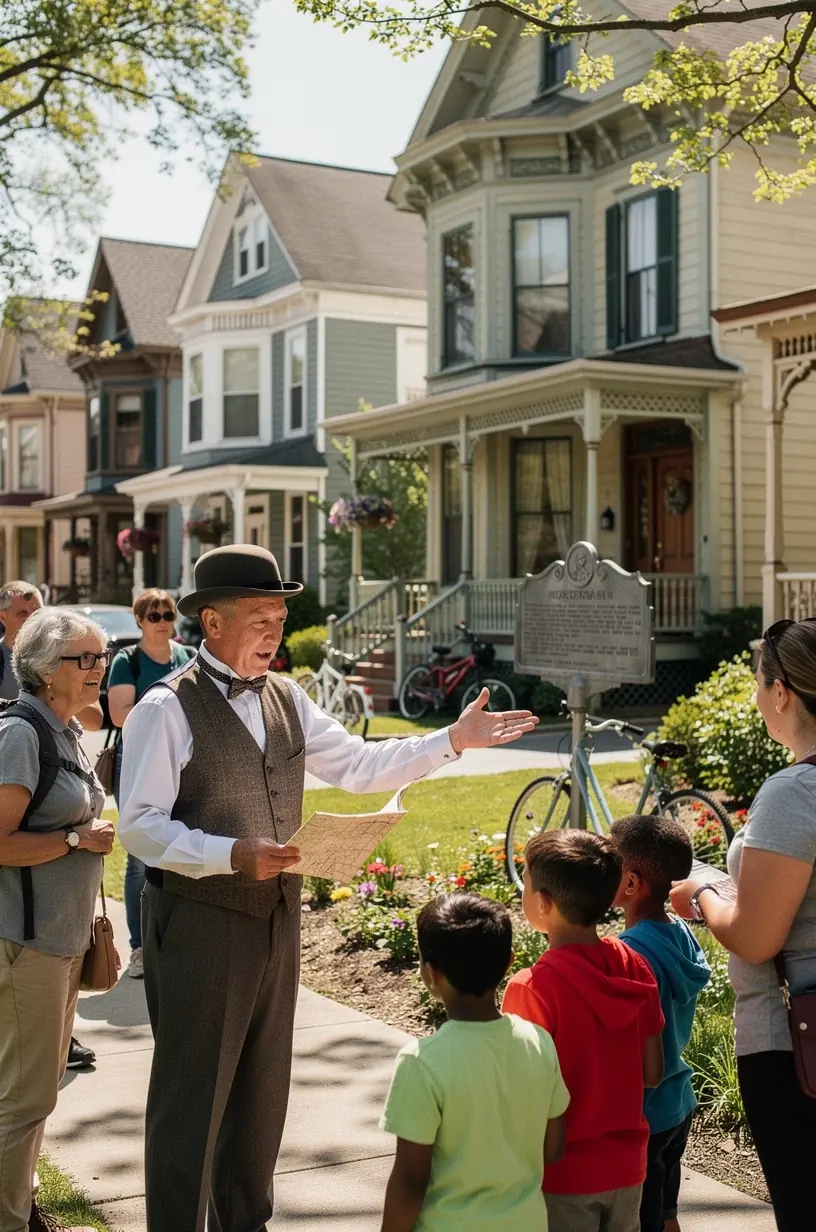
- Community Tours: Guided tours showcasing local music history and culture. These tours usually involve knowledgeable guides who can provide context and insight into the significance of local artists and venues.
- Collaborative Events: Festivals and showcases that bring together artists from diverse backgrounds. These events typically emphasize collaboration and community participation, enhancing social bonds.
Acknowledging Challenges and Limitations
While local music scenes offer many benefits, it is important to acknowledge their challenges. Engaging with these communities often requires time and effort:
- Participation in local music activities can involve a learning curve, particularly for those new to music.
- Building connections within the scene typically requires consistent attendance and active involvement, which may not be feasible for everyone.
- Moreover, not all areas have equal access to vibrant music scenes, which can limit engagement opportunities for some individuals.
Conclusion
Local music scenes are more than just entertainment; they are vital components of community engagement that foster social connections, cultural understanding, and economic growth. By participating in workshops, tours, and various musical events, individuals can enhance their sense of belonging. While challenges may arise, the potential for community connection is substantial. Engaging with local music can lead to rewarding experiences and a deeper appreciation for the cultural fabric of our communities.
Learn More