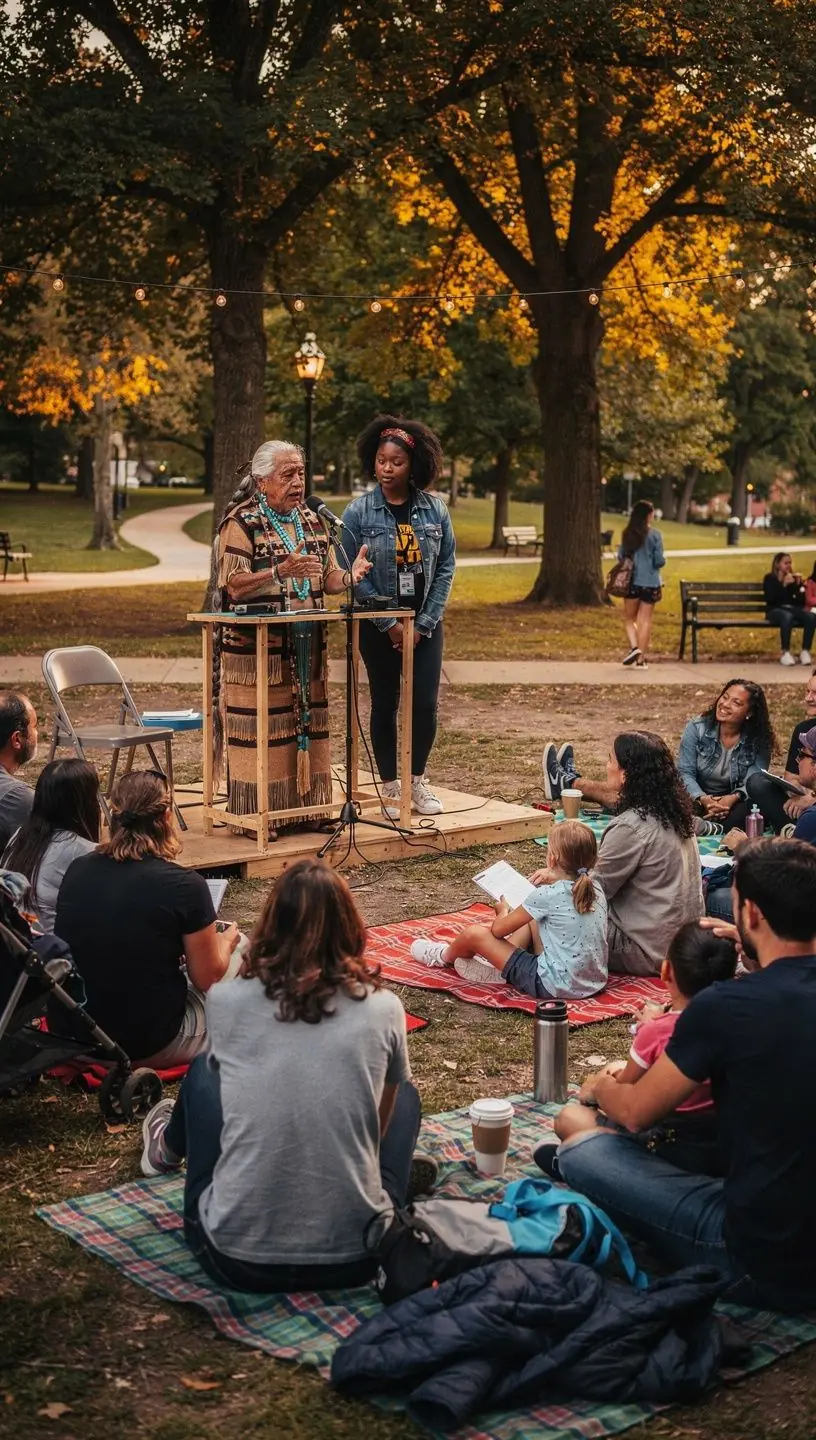
Understanding the Impact of Workshops on Local Economies
Local workshops play a significant role in fostering community engagement and revitalizing local economies. This article explores how these workshops can positively impact financial growth and social cohesion in various regions across the United States.
Understanding the Basics
Workshops typically function as platforms for skill development, cultural exchange, and community engagement. According to research by the National Endowment for the Arts, community-based programs can lead to significant economic benefits by enhancing local creativity and productivity. For instance, when local artists or artisans share their craft through workshops, they not only distribute knowledge but also promote the local economy by attracting visitors who may spend on related goods and services.

"Community-driven workshops can create a ripple effect of economic benefits that extend beyond the participants themselves." - Economic Development Expert
Economic Benefits of Workshops
There are several ways workshops can contribute to local economies:
- Job Creation: Workshops often require facilitators, coordinators, and administrative support, which can create new job opportunities in the community.
- Increased Tourism: Many travelers seek authentic experiences and are often drawn to local workshops, leading to increased foot traffic and spending in nearby businesses.
- Skill Development: Participants typically acquire new skills that can lead to better job prospects or entrepreneurial endeavors, further contributing to local economic growth.
Practical Application
When organizing or participating in workshops, it is essential to understand their potential impact:
- Engagement with Local Businesses: Collaborating with local businesses can enhance the workshop experience while promoting mutual benefits, such as discounts for participants at nearby shops or restaurants.
- Community Involvement: Involving local residents in the planning and execution of workshops fosters ownership and ensures that the needs and interests of the community are met.
- Assessment of Outcomes: Monitoring the outcomes of workshops can provide valuable data on their effectiveness, helping organizers refine future offerings and maximize their economic impact.
Challenges and Limitations
While the benefits of workshops are numerous, there are also challenges to consider:
- Workshops require significant time and effort to organize, typically taking several weeks of planning and coordination.
- Not every workshop model is suitable for every community; tailoring content to meet local interests is crucial for engagement and effectiveness.
- Potential participants may have varying levels of prior knowledge or skills, which can affect the overall success of the workshop.
Conclusion
In summary, workshops can serve as effective tools for fostering economic growth and enhancing community spirit. They have the potential to create jobs, boost tourism, and promote skill development, leading to a more vibrant local economy. However, recognizing the necessary time commitments and tailoring workshops to community needs will ensure that they are both effective and sustainable. As you consider engaging with or organizing workshops, remember that their impact can extend beyond just the participants, affecting the broader community in meaningful ways.
Learn More