The Process of Organizing Community-Based Events
Organizing community-based events can be a rewarding way to engage locals and travelers alike. These events foster cultural exchange and offer unique experiences, but they require careful planning and execution. This article outlines practical steps to ensure successful community engagement through events, workshops, and tours.
Understanding the Basics
Community-based events typically aim to strengthen local ties while providing cultural insights for visitors. According to research from the National Endowment for the Arts, effective community engagement can enhance local identity and promote cultural heritage. Organizing such events often involves various stakeholders including local businesses, artists, and residents who contribute to creating a vibrant community atmosphere.

"Community events not only enhance social bonds but also contribute significantly to the local economy." - Community Development Expert
Key Steps in Organizing Events
While every event is unique, there are common steps that can guide the process:
- Identify Your Objectives: Establish what you want to achieve with the event. Many organizers aim to promote local culture or boost tourism. Clarity on objectives helps shape the event's structure.
- Engage the Community: Involve local stakeholders early in the planning process. Research shows that community involvement increases participation rates and enhances the event's authenticity.
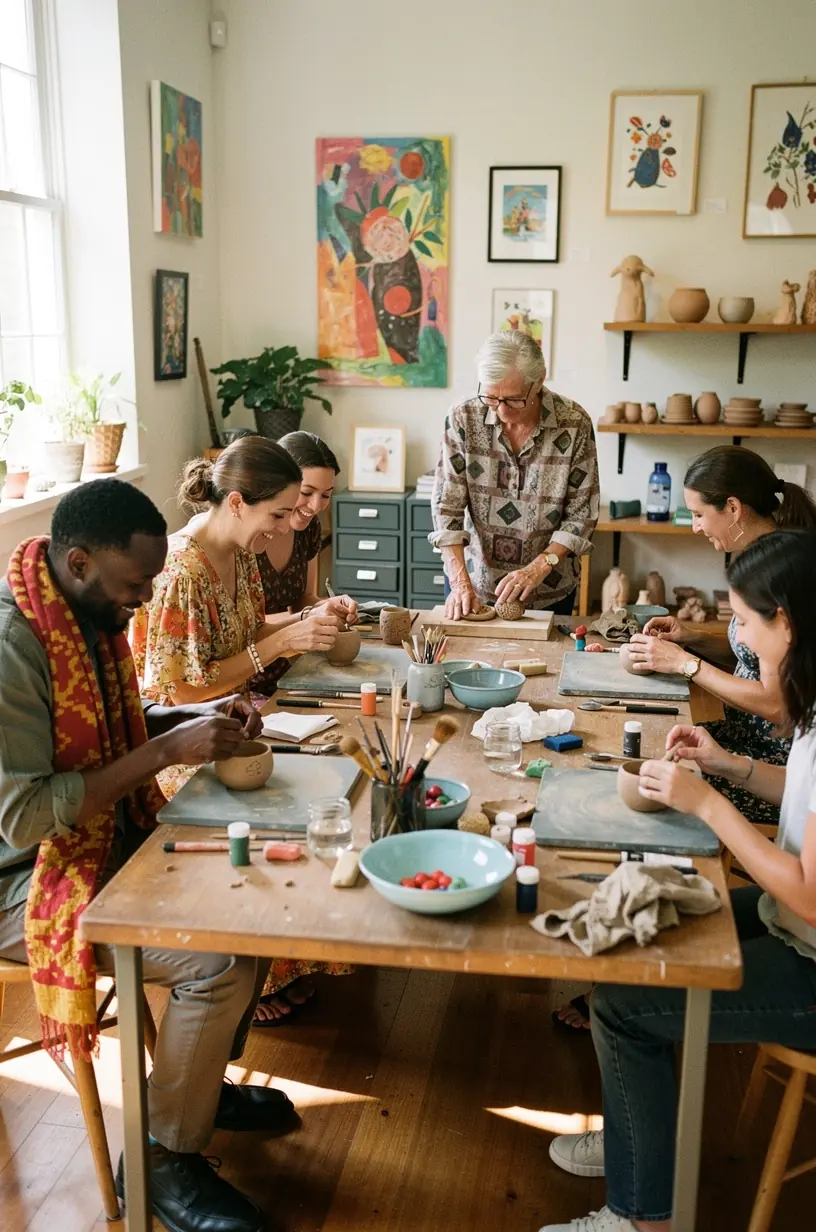
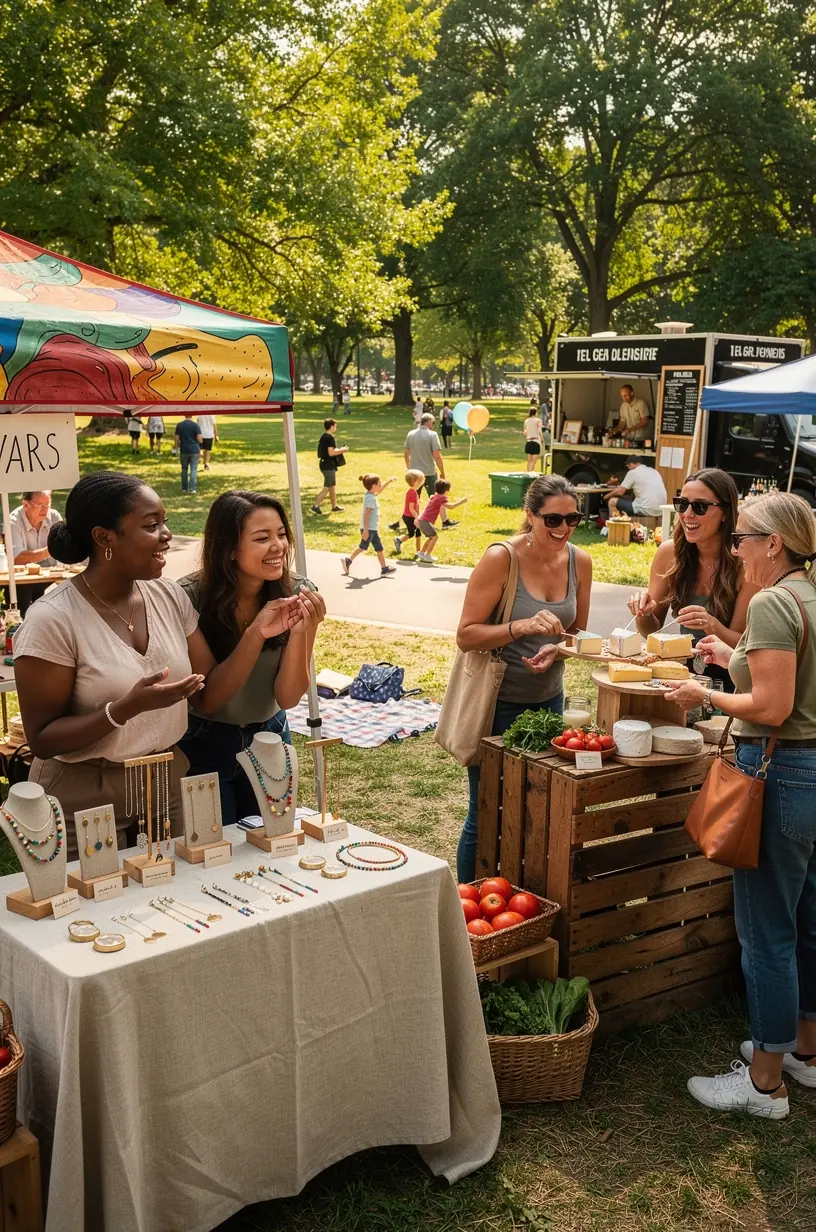
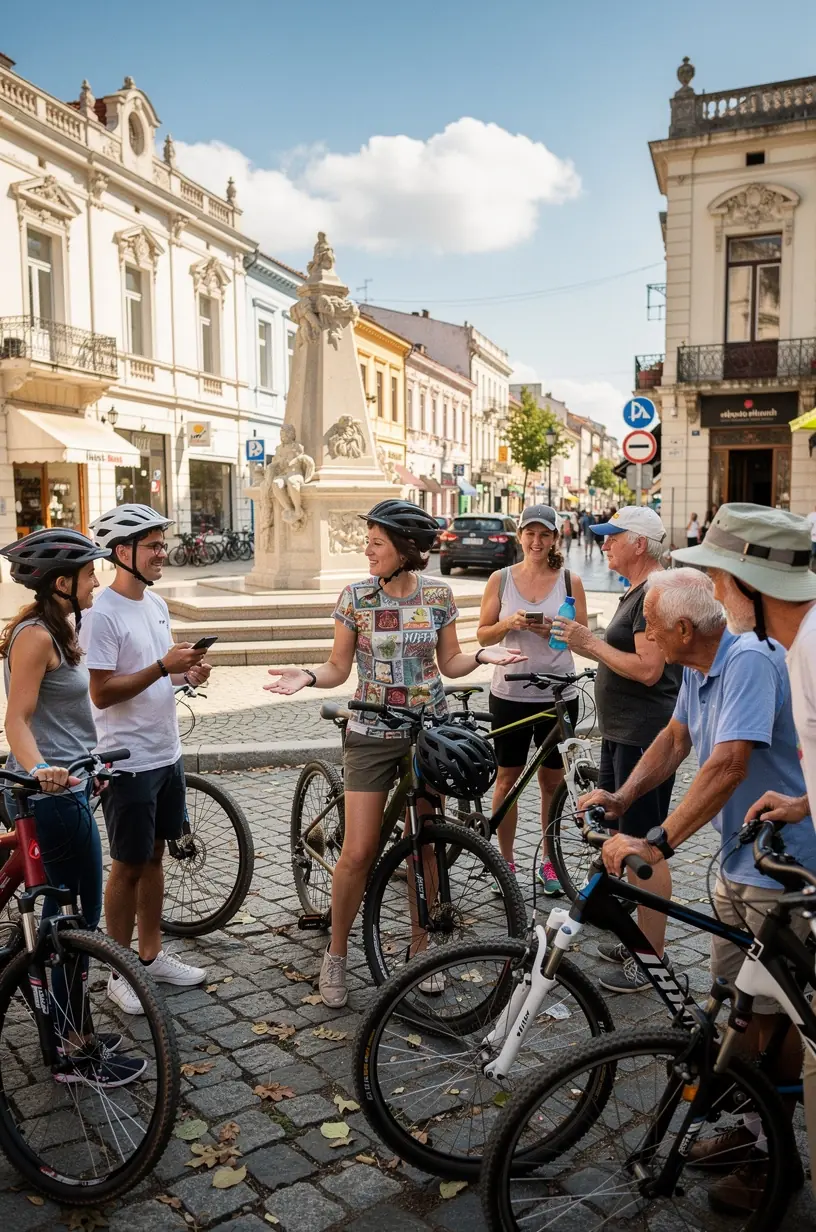
- Choose the Right Format: Consider various formats such as workshops, guided tours, or pop-up markets. The best format often suits the community's interests and logistical capabilities.
- Logistical Planning: This includes selecting a venue, setting a date, and arranging necessary permits. Many experts recommend starting this process at least 6-8 weeks in advance to accommodate unforeseen challenges.
- Marketing: Utilize social media, local newspapers, and community boards to promote the event. Effective marketing strategies can increase visibility, but it’s essential to target the right audience.
Acknowledging Limitations
Organizing community-based events typically takes a significant investment of time and resources. It generally requires at least 2-4 weeks of preparation, especially when engaging multiple stakeholders. Moreover, it's crucial to recognize that not all events will attract the expected turnout; sometimes, factors such as weather or competing events may affect attendance.
Best Practices for Success
To ensure the success of your community event, consider these best practices:
- Follow Up: After the event, gather feedback from attendees and stakeholders. This can inform improvements for future events.
- Evaluate Outcomes: Assess whether your initial objectives were met. This evaluation process can reveal valuable insights and lessons learned.
- Celebrate Achievements: Recognizing the contributions of participants fosters goodwill and encourages future collaboration within the community.
Conclusion
Organizing community-based events can effectively connect travelers with local culture, benefiting both visitors and residents. By following a structured approach and embracing community engagement, organizers can create meaningful experiences that resonate well beyond the event itself. Remember, while the process may involve challenges, the potential rewards for community cohesion and cultural enrichment can be significant.
For those looking to delve deeper into community engagement, consider exploring available resources and connecting with local organizations to gain insights from experienced event planners.
Learn More